


High blood pressure (hypertension) is often called the silent killer. Millions of people manage this condition every day. While medication is key, simple changes to your morning routine can offer powerful, natural support.
The drinks you choose when you wake up can immediately start helping your blood vessels relax and better manage sodium levels. This helps bring down your blood pressure naturally.
This expert guide gives you 7 morning drinks proven to help. We explain the science behind each one so you know exactly how it works.
Important Disclaimer: These drinks are supplements to a healthy diet and lifestyle. They are not substitutes for medication. Always consult your doctor before making major changes to your diet, especially if you take blood pressure medication.
The Science: Why the Morning Drink Matters
Your blood pressure naturally tends to be higher in the morning. This is often the time when certain drinks can be most effective. They work through three key biological pathways:
| Mechanism | How It Helps Lower Blood Pressure | Key Nutrients Involved |
| 1. Nitric Oxide Production | Certain compounds convert to nitric oxide. This gas helps dilate (widen) blood vessels, reducing the pressure on artery walls. | Nitrates (found in vegetables) |
| 2. Sodium Balance | Minerals like potassium help your kidneys flush out excess sodium. High sodium is directly linked to high blood pressure. | Potassium, Magnesium, Calcium |
| 3. Endothelial Function | Antioxidants protect the lining of your blood vessels (the endothelium), keeping them flexible and functional. | Lycopene, Anthocyanins, Catechins |
7 Morning Drinks That Can Help Bring Down Blood Pressure
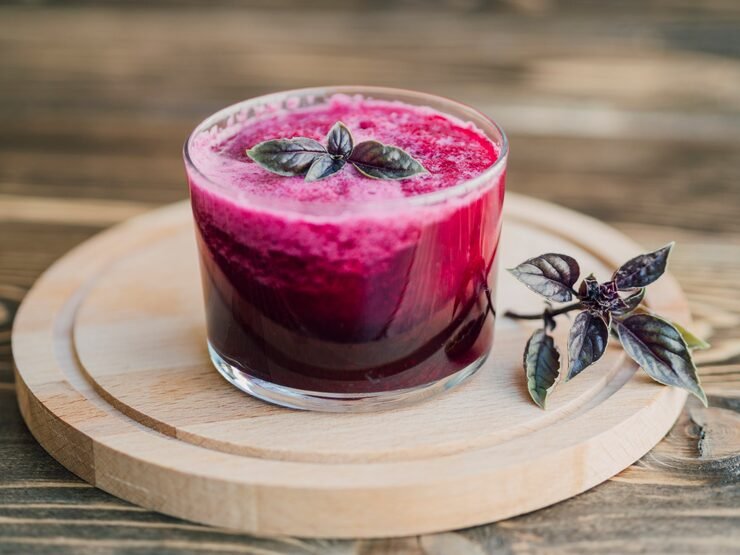
1. Beetroot Juice (The Fast-Acting Nitrates)
Beetroot is extremely high in dietary nitrates. When you drink the juice, your body converts these nitrates into nitric oxide. This process causes your blood vessels to relax and open up almost immediately. Studies show beetroot juice can significantly reduce systolic blood pressure (the top number) within hours of consumption.
Action Tip: Drink one cup (about 250ml) of fresh or cold-pressed beetroot juice on an empty stomach. Do not cook the beets, as heat reduces the nitrate content.

2. Hibiscus Tea (The ACE Inhibitor Mimic)
This tart, ruby-red tea contains powerful antioxidants called anthocyanins. It acts like a natural ACE inhibitor, similar to a class of blood pressure medication by blocking enzymes that tighten blood vessels. Clinical trials show that drinking two cups of hibiscus tea daily can lower both systolic and diastolic blood pressure in people with mild hypertension.
Action Tip: Brew two cups of unsweetened hibiscus tea. It can be consumed warm or chilled, but avoid adding sugar.
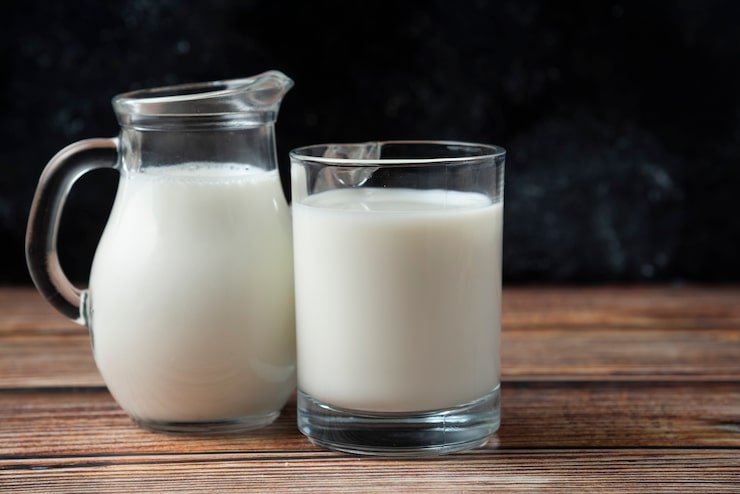
3. Skim Milk (The Mineral Balancer)
Low-fat dairy is a key part of the DASH (Dietary Approaches to Stop Hypertension) diet. It is rich in Potassium, Calcium, and Magnesium. These three minerals work together to counteract the negative effects of sodium. Increased consumption of low-fat milk has been associated with lower blood pressure levels over time, especially in middle-aged and older adults.
Action Tip: Use skim or low-fat milk in your morning coffee, oatmeal, or blend it into a smoothie.
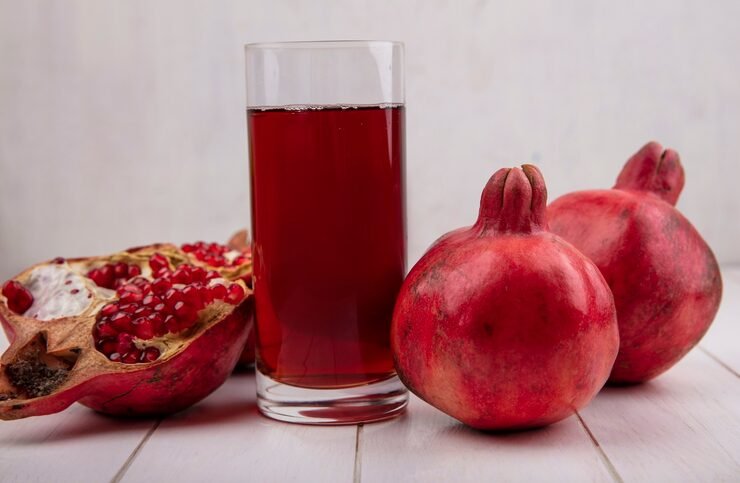
4. Pomegranate Juice (The Vascular Protector)
Pomegranate juice is loaded with antioxidants and polyphenols that protect the inner lining of your blood vessels (the endothelium). It helps your blood vessels synthesize nitric oxide and stay flexible. The Science: Research suggests daily consumption of unsweetened pomegranate juice may reduce both systolic and diastolic blood pressure.
Action Tip: Drink 8 ounces (about one cup) of 100% pure, unsweetened pomegranate juice with your breakfast.
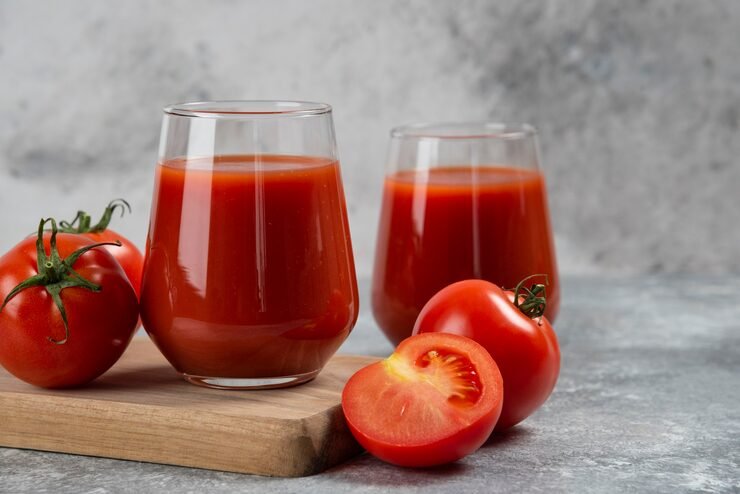
5. Unsalted Tomato Juice (The Potassium Powerhouse)
Tomatoes are packed with Lycopene, a strong antioxidant, and Potassium. The high potassium content directly tells your kidneys to flush out excess sodium and relax blood vessel walls. Studies show that consuming tomato products can reduce the risk of developing high blood pressure.
Action Tip: It is vital to choose unsalted or low-sodium tomato juice. Salted juice will counteract the benefits of the potassium.

6. Green Tea (The Circulation Booster)
Green tea contains catechins (like EGCG), which are antioxidants that support the health of your blood vessel lining. They help improve blood flow and can help lower LDL (bad) cholesterol. Consistent, daily consumption of green tea has been linked to a modest reduction in both systolic and diastolic blood pressure.
Action Tip: Sip a warm cup of freshly brewed green tea with your breakfast or as a low-caffeine alternative to coffee.
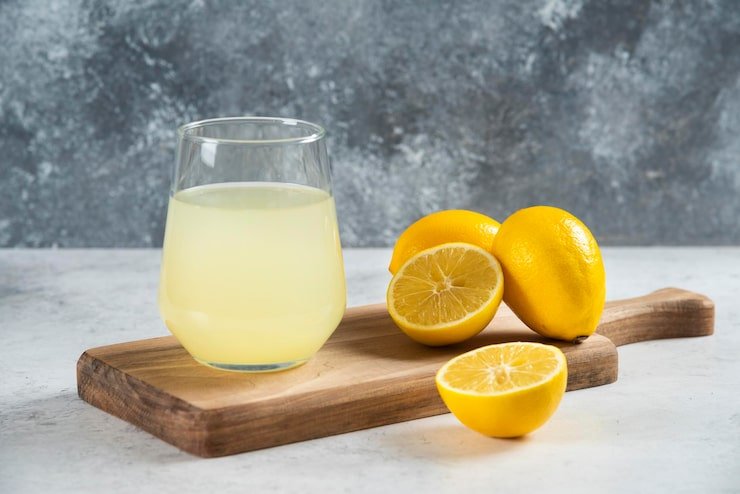
7. Warm Lemon Water (The Simple Diuretic)
Lemon water is rich in Vitamin C and Potassium. Potassium helps the body flush out retained water and sodium. Vitamin C also helps improve the elasticity of your blood vessels. While simple, staying well-hydrated is crucial for blood pressure management. Lemon water, consumed warm, acts as a mild diuretic and helps start your day with mineral balance.
Action Tip: Squeeze the juice of half a fresh lemon into a glass of warm water and drink it first thing in the morning. Do not add any sugar.
Insider Warning: What to Avoid in the Morning
To maximize your efforts, you must eliminate the drinks that directly raise blood pressure:
- High-Sodium Juices: Avoid V8 or vegetable juices that are high in added salt.
- Energy Drinks: These are packed with massive doses of caffeine and sugar, which can cause dangerous, rapid spikes in blood pressure.
- Full-Fat Dairy (For some): Full-fat milk contains palmitic acid, which may constrict blood vessels. Stick to skim or low-fat options.
- Excessive Coffee: While moderate coffee intake is fine for many, if you are sensitive to caffeine, limit your intake. Caffeine temporarily raises blood pressure.
Final Thoughts About 7 Drinks That Naturally Help Lower Blood Pressure
Making these 7 drinks part of your morning ritual is a powerful, science-backed way to support your heart health.
Remember, consistency is key. A small, positive step every morning leads to long-term health improvements. Start today by swapping out one bad habit for one of these beneficial drinks.
Frequently Asked Questions (FAQs)
1. Are these drinks safe if I am already taking blood pressure medication?
These drinks are generally safe and beneficial supplements to a healthy diet. Always talk to your doctor before adding new items like beetroot juice if you are already on blood pressure medication.
2. Can I use salt in the tomato juice or other drinks for better flavor?
No you must use unsalted or low-sodium tomato juice. High sodium intake directly raises blood pressure and completely cancels out the benefits of the natural potassium in the juice.
3. How quickly can I expect beetroot juice to lower my blood pressure?
Beetroot juice is the fastest acting option. Studies show it can start relaxing blood vessels and reducing systolic blood pressure within 30 minutes to a few hours after drinking it.
4. Which of these drinks is best for controlling my high blood pressure long-term?
For long-term control Hibiscus Tea is highly effective. It contains special antioxidants that mimic the action of common blood pressure medications, helping vessels stay relaxed over time.
5. Does the exact time I drink these matter and how long until they work?
Timing is best in the morning since blood pressure often peaks then. Most benefits require daily consistent use for a few weeks. Consistency is the most important factor for lasting results.