


When to go to hospital for abdominal pain is not always clear. Have you ever had sudden stomach pain that made you stop and wonder, Is this serious? Many people have. In fact, the CDC says more than 12 million ER visits in the U.S. each year are for stomach or belly pain. That’s a lot of worried patients looking for answers.
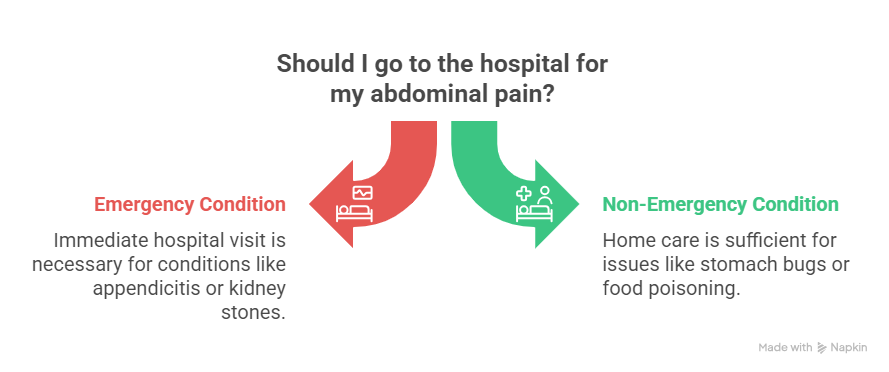
I’ve had that fear too. One night after a plate of spicy food, I was sure I had appendicitis. It turned out to be nothing more than bad choices and a restless night. But here’s the problem sometimes it is an emergency. Conditions like appendicitis, kidney stones, or a ruptured ulcer can start as mild belly pain. Other times, it’s only a stomach bug, food poisoning, or stress.
This guide will help you tell the difference. We’ll walk through common causes, warning signs, and clear steps so you know when to see a doctor and when to go straight to the hospital.
Medical Disclaimer: The information on Life Trust Hospital is for educational purposes only and is not a substitute for professional medical advice. Always consult a doctor for health concerns. In an emergency, call your local emergency services immediately. [Read our full disclaimer here]
Why Abdominal Pain Happens
Abdominal pain can stem from many different causes, ranging from mild to life-threatening. Some common ones include:
- Food poisoning or stomach bugs: Often cause watery diarrhea, nausea, and cramps.
- Urinary tract infection (UTI): Can cause lower abdominal pain and burning with urination.
- Kidney stones: Lead to sharp, intense pain in the flank or lower abdomen.
- Irritable bowel syndrome (IBS): Triggers chronic abdominal discomfort, bloating, and changes in bowel habits.
- Menstrual cramps and ovarian cysts: Common in women and may mimic digestive pain.
- Acid reflux and peptic ulcers: Cause burning stomach aches, especially after meals.
- Inflammatory bowel disease (IBD): Conditions like Crohn’s disease and ulcerative colitis can cause severe pain, bloody stools, and weight loss.
- Gallbladder attacks: Conditions like gallstones or acute cholecystitis may cause sharp pain in the upper right abdomen.
- Acute pancreatitis or ruptured ulcer: Both are life-threatening and require urgent hospital care.
When It’s Probably Safe to Stay Home
You don’t always need hospital-level medical care for stomach aches. Mild pain that improves within a few hours or responds to simple self-help steps is usually not serious.
Safe at-home cases often include:
- Mild acid reflux after a heavy meal
- Occasional constipation or bloating
- Gas or indigestion after eating suspect food
- Mild menstrual cramps
If the pain eases with rest, hydration, or over-the-counter remedies, you can usually check in later with your primary care provider instead of rushing to the ER.
When to Call a Doctor

Sometimes abdominal pain doesn’t improve or becomes disruptive. Contact a healthcare provider if you notice:
- Ongoing mild to moderate pain lasting more than 2–3 days
- Changes in bowel habits (chronic diarrhea or constipation)
- Blood in your stool (bloody poo) or dark, tarry stools
- Ongoing nausea, bloating, or fatigue
- Unexplained weight loss
Your doctor may recommend diagnostic tools such as:
- Blood and urine analysis to check for infection
- Stool samples if infection or inflammation is suspected
- Abdominal ultrasound for gallstones or ovarian cysts
- Abdominal CT scan or MRI scan for deeper evaluation
- X-rays or advanced imaging if bowel obstruction or perforation is suspected
When to Go to the Hospital Immediately

Abdominal pain becomes a medical emergency if it comes with certain red flags. Go to the hospital emergency department right away if you experience:
- Sudden, severe abdominal pain that doesn’t improve
- Pain with vomiting blood or blood in stool
- Black stools (may suggest internal bleeding)
- Persistent vomiting with inability to keep fluids down (risk of dehydration, may require IV fluids)
- Severe pain with abdominal swelling or tenderness
- Right lower abdominal pain with fever (possible appendicitis)
- Severe pain in pregnancy (possible ectopic pregnancy)
- Pain radiating to the chest or back, which may mimic chest pain or heart disease
According to the US Department of Health and Human Services, these symptoms warrant immediate emergency room evaluation.
Abdominal Pain in Children and Older Adults
- Children: Frequent stomach aches can sometimes be minor, but if your child has a swollen belly, bloody stool, or severe crying due to pain, go straight to a pediatric ER.
- Older adults: Conditions like bowel obstruction, gallbladder infection, and vascular problems are more common. They may need rapid intervention, sometimes with minimally invasive techniques like robotic-assisted surgery.
Hospital Testing and Treatment Options
If you head to the ER, the care team may use a variety of diagnostic tools:
- Abdominal CT scanning for appendicitis, bowel obstruction, or perforation in the GI tract
- Abdominal ultrasound for gallbladder or ovarian issues
- Blood workups including white cell count to check for infection
- Magnetic Resonance Cholangiopancreatography (MRCP) for bile duct or gallbladder problems
Treatment depends on the cause. Some patients need IV antibiotics, fluids, or pain relief. Others may require surgery, such as for bowel obstruction, gallbladder attacks, or ruptured ulcers.
Prevention Tips for Abdominal Pain
While not all stomach pain can be avoided, these steps can help:
- Eat a healthy diet rich in fiber and lean proteins
- Limit alcohol use and caffeine
- Avoid known triggers if you have lactose intolerance or gluten sensitivity
- Stay hydrated and active to prevent constipation
- Manage stress, since IBS symptoms often flare with anxiety
- Get regular checkups with your primary care provider
Final Thoughts: When to go to hospital for abdominal pain
Abdominal pain can be as simple as a stomach bug or as dangerous as a ruptured ulcer. The key is paying attention to red flags. If your pain is sudden, severe, or linked with symptoms like blood in your stool, vomiting, or fainting, don’t wait. Go straight to the emergency room.
Trust your gut literally. When in doubt, it’s safer to seek medical advice from a professional than to ignore potentially serious warning signs.
FAQs
1. Is all abdominal pain serious?
No. Many cases come from gas, indigestion, or minor stomach bugs. But persistent or severe pain should not be ignored.
2. What does gallbladder pain feel like?
Often sharp pain in the upper right abdomen, sometimes after fatty meals. This can signal gallstones or a gallbladder attack.
3. Can IBS cause severe abdominal pain?
IBS causes chronic discomfort, bloating, and bowel habit changes, but usually not the sudden severe pain seen in emergencies.
4. When should I call 911 (or triple zero in Australia)?
If you have sudden severe pain, chest pain with abdominal pain, vomiting blood, or fainting, call emergency services immediately.
5. How do doctors check abdominal pain?
They may use CT scans, ultrasounds, blood tests, stool samples, or X-rays to diagnose the cause.


I liked up to you will receive performed right here. The comic strip is tasteful, your authored subject matter stylish. nevertheless, you command get got an impatience over that you wish be delivering the following. in poor health without a doubt come further formerly again as exactly the similar just about a lot regularly inside case you defend this increase.