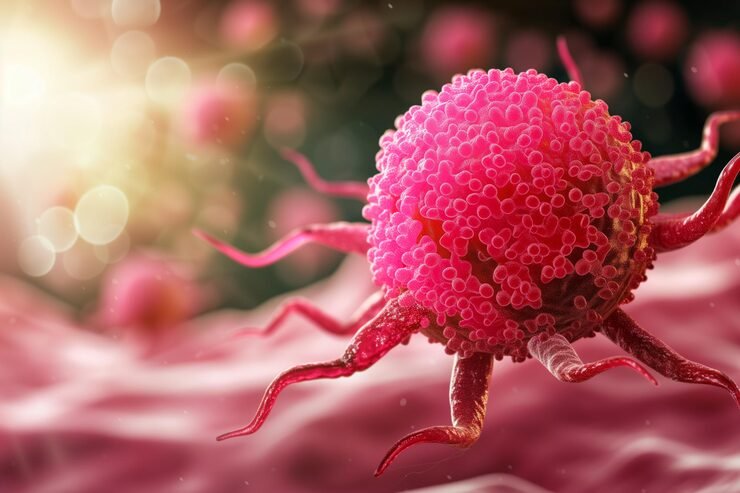

National Cancer Awareness Day 2025 (November 7th) is more than just a date on the calendar. It’s a vital reminder that while we can’t control our genetics, we have immense control over the risk factors linked to cancer.
This guide is based on the consensus recommendations from organizations like the World Health Organization (WHO) and the American Cancer Society (ACS), which show that a significant percentage of cancer diagnoses are linked to modifiable lifestyle choices., a significant percentage of cancer diagnoses are not inevitable they are tied to lifestyle choices. You have the power to create a powerful, daily defense against this disease. Here are the 7 everyday habits that can help lower cancer risk, straight from the clinic to your life.

1. Eat More Plants (Food That Protects You)
What you eat affects your body’s defense system. Fill your plate with fruits, vegetables, whole grains, beans, and nuts.
Why it helps:
Plant foods have fiber and antioxidants. Fiber helps move waste out of your body faster. Antioxidants repair cell damage that can lead to cancer. Try eating fewer processed meats and more plant-based meals. Even a few swaps each week help.

2. Protect Your Skin (The Sun Safety Rule)
Sunlight helps your body make vitamin D, but too much can hurt your skin. Use sunscreen every day, even when it’s cloudy.
Why it helps:
The sun’s UV rays damage skin cells and cause skin cancer over time. A sunscreen with SPF 30 or higher protects against this. Wear a hat, sunglasses, and long sleeves when outdoors. Stay in the shade during peak hours, from 10 a.m. to 4 p.m.

3. Keep a Healthy Weight (Stop Inflammation Before It Starts)
Extra body fat does more than store energy it makes chemicals that cause inflammation. This can raise the risk of several cancers.
Why it helps:
A healthy weight lowers hormone levels that may feed cancer cells. Focus on eating whole foods, drinking water, and staying active. Avoid crash diets. Aim for steady, long-term balance instead.
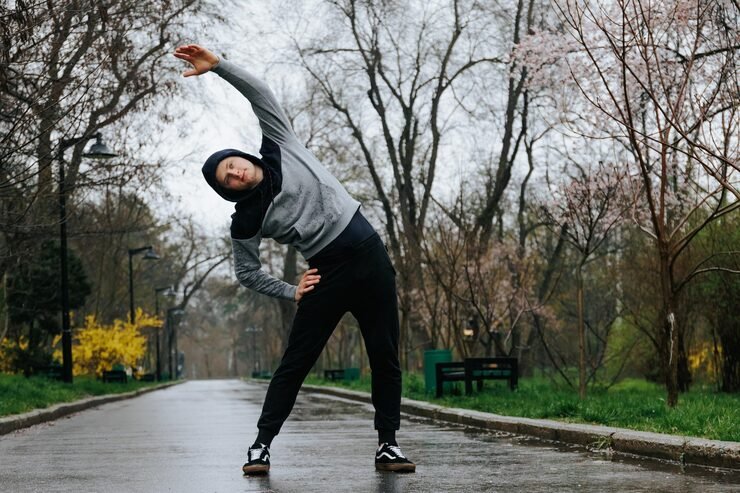
4. Move Every Day (Exercise Is Medicine)
You don’t need a gym to stay active. Simple movement is enough.
Why it helps:
Exercise helps your body control hormones like insulin and estrogen. It keeps your immune system strong and reduces inflammation. Try walking for 30 minutes most days of the week. Dancing, cycling, or gardening count too. Move more, sit less.
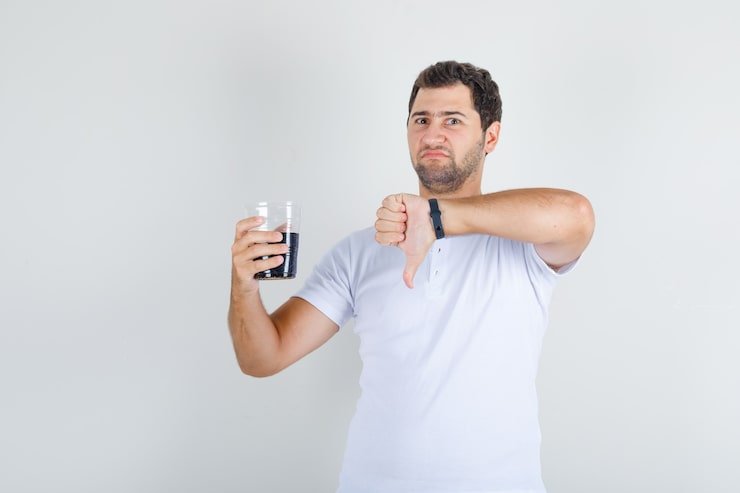
5. Drink Less Alcohol (A Hidden Risk)
Alcohol may seem harmless, but it can harm your cells.
Why it helps:
When your body breaks down alcohol, it makes acetaldehyde, a chemical that damages DNA. This raises the risk of cancers in the mouth, breast, liver, and colon. The safest choice is to drink less or not at all. If you do drink, limit it to one drink a day for women or two for men.
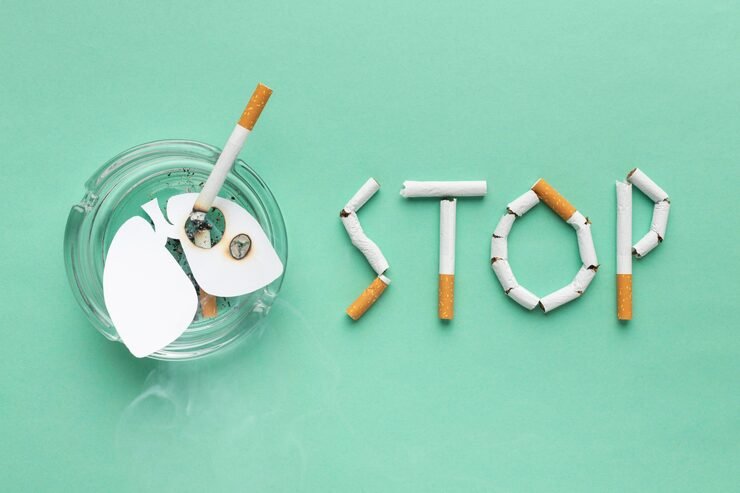
6. Quit Tobacco (No Safe Level)
Tobacco is still the number one cause of preventable cancer. No form is safe not smoking, chewing, or vaping.
Why it helps:
Tobacco contains thousands of chemicals that damage your organs. Once you quit, your body starts to heal within hours. Lung function improves, circulation gets better, and your cancer risk drops each year you stay tobacco-free. Get help if you need it. Your doctor can guide you.
7. Get Regular Checkups (Catch It Early)
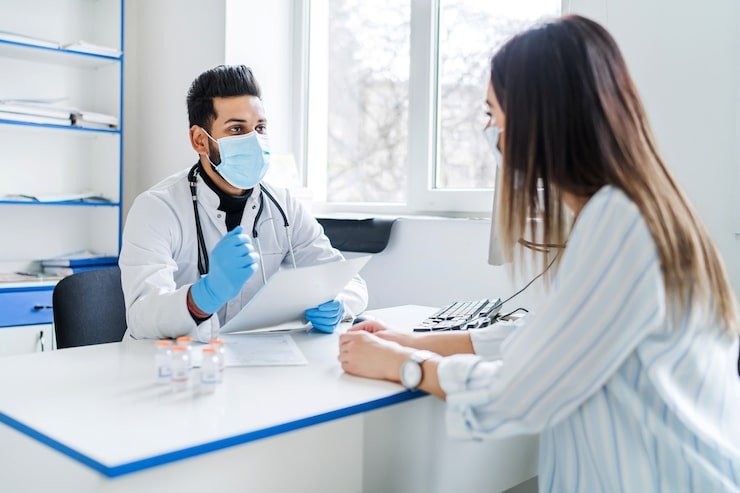
Screening saves lives. Some cancers grow quietly at first, but regular tests can find them early.
Why it helps:
Screening can detect early changes before they turn serious. Talk to your doctor about tests like mammograms, colonoscopies, and Pap smears. Know your family history, since it affects your risk. Vaccines like the HPV shot also protect against certain cancers.
Your Health, Your Power
Preventing cancer is about simple, daily actions. Eat better. Move more. Protect your skin. Avoid tobacco and alcohol. Stay on top of checkups.
These steps lower inflammation, boost your immune system, and help your body repair itself.
This National Cancer Awareness Day, take one small action. Schedule your annual exam. Go for a walk. Cook a meal full of plants and color.
Every small choice adds up. You can’t change your genes, but you can protect your health one day at a time.
Conclusion
The fight against cancer can often feel overwhelming, but these 7 everyday habits that can help lower cancer risk provide a clear path forward. These are not quick fixes; they are a long-term, synergistic strategy that creates a powerful defense system within your body.
Take a moment on National Cancer Awareness Day 2025 to empower yourself. Schedule that annual physical you’ve been putting off. Discuss your family history and screening schedule with your doctor. Being proactive is the best medicine we have.
❗️ IMPORTANT MEDICAL DISCLAIMER: This article provides general public health information and is not a substitute for professional medical advice, diagnosis, or treatment. Consult a physician for all cancer screening and health management decisions.
FAQ About 7 everyday habits that can help lower cancer risk
Does a clean lifestyle guarantee I won’t get cancer? No, genetics and random chance still play roles. However, lifestyle is a huge factor. Oncologists estimate that a significant percentage of cancer cases are linked to preventable risk factors. These habits are not a cure, but they dramatically shift the odds in your favor by protecting your DNA and reducing inflammation.
How much alcohol or red meat is safe for cancer risk? When it comes to cancer, less is always better. For alcohol, stick strictly to moderation (one drink daily for women, two for men), or better yet, avoid it. For red and processed meats, limit consumption to small amounts, focusing instead on plant-based proteins to boost your protective fiber intake.
What is the most important habit an oncologist recommends? While quitting tobacco is the single biggest risk reducer, the most crucial habit is adhering to screening schedules. Mammograms, colonoscopies, and Pap tests catch pre-cancers or early-stage disease when they are highly curable. Lifestyle reduces the risk; screening saves lives.
Is walking enough exercise? Yes. Aim for at least 150 minutes of moderate activity per week. This could be brisk walking, cycling, or gardening. Consistency matters more than intensity for reducing cancer risk.



Been checking out Tdtc88web recently, and I’m digging the mobile experience. Runs great on my phone and I can play anywhere. Always a plus. Here’s the site tdtc88web
BJ38ai is OK, nothing special. Pretty standard fare, but not bad. Look at yourself here bj38ai
Alright folks, 8usgameclub is where it’s at if you’re looking for some fun online gaming. I’ve been playing here for a while, and honestly, it’s pretty decent. Check them out at 8usgameclub.
Attractive part of content. I just stumbled upon your blog and in accession capital to say that I acquire actually loved account your blog posts. Any way I’ll be subscribing on your augment or even I achievement you get right of entry to constantly quickly.