


when your kid is sick, even a low-grade fever feels like the end of the world. We’ve all had those 2 AM pacing sessions, phone in one hand, worry in the other, just wishing for a doctor who treats our little one like their own family. This guide to the best pediatric hospitals in the us is really just a map for those moments. I’ve dug through the 2026 survival data and parent reviews to find the centers that balance ‘super-science’ with genuine, high-fives-and-stickers compassion. Whether you’re looking at a routine fix or a complex miracle, we’re finding the safest hands for your tiny hero together. Ready to see who made the cut? Let’s get into it.
What Is a Pediatric Hospital?
Think of the pediatric hospital as a planet constructed in nothing but kid-size. More than smaller chairs or bright walls, this is a place where every piece of equipment, from the tiniest blood pressure cuff to the most advanced MRI, was custom designed for growing bodies.
These centers take care of everyone from actual preemie babies to young adults in their early 20s. But why can’t kids just go to a regular hospital? As anyone who has spent a hot second in medicine likes to say, children are not simply small adults. Their heart rates are faster, their bones are still growing, and they metabolize medicine in a way that would mystify an adult physician. You need a team of kid-talking pediatricians, specialized nurses and therapists who understand the subtleties of a growing soul.
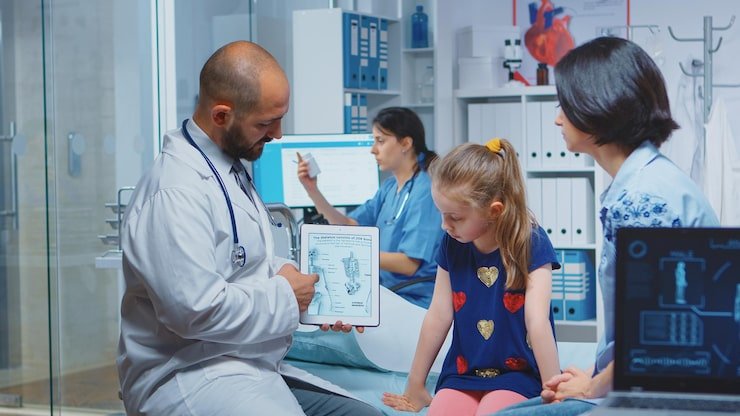
What Makes the Best Pediatric Hospitals in the US?
When I’m looking at the best pediatric hospitals in the us, I’m looking for a safety blanket made of expertise and empathy. The top spots aren’t just sterile clinics; they are hubs of experience. You want a team that has seen your child’s specific condition a thousand times. That muscle memory is what leads to those miracle outcomes.
Beyond the medicine, the best places focus on family comfort. They know that healing a child means supporting the parents, too. It’s about having a place for you to sleep next to their bed and a staff that explains complex jargon in a way that actually makes sense at 3 AM.
How Pediatric Hospitals Are Ranked in the US
We heavily use the U.S. News & World Report rankings that’s like the gold standard for 2026 right there. They don’t look just at who has the fanciest building. They plunge deep into patient safety, seeking low infection rates and high success stories in complex surgeries.
They also poll tens of thousands of board-certified specialists to find out where they would send their own children. Hospitals that make the Honor Roll have the triple threat that says it’s the best place for a sick kid: top-notch doctor skills, cutting-edge research and a track record of handling treatments as well as procedures from organ transplants to spinal taps in ways that are proven to get kids back to being kids.
Best Pediatric Hospitals in the US (Top Choices)
It is not easy to decide where to turn for your child’s serious care. I have taken a peek at the 2026 allocations, and these five spots are coming up steady again and again. They are more than buildings, they’re the site of some of the best pediatric hospitals in the us really showing their true colors through grit and heart.
Boston Children’s Hospital
If there were a Harvard for kids’ health, this would be it. Situated in the middle of Boston’s medical epicenter, this hospital is a research titan. Not only do they follow the rules they make them.
Why it matters: They are dealing with the rarest of cases that leave other doctors scratching their heads.
The Vibe: It’s intense because the science is so advanced, but the nurses are total angels.
Children’s Hospital of Philadelphia (CHOP)
CHOP is a legend for a reason. They were the very first hospital in the nation exclusively for kids.
Leadership: They are pioneering fetal surgery and gene therapy.
The family first: They treat you as a part of the care team, not just “I’m just visiting.” When you’re frightened, it makes the world of a difference.
Texas Children’s Hospital
They say everything is bigger in Texas and certainly, that’s true for the heart of this Houston hospital. They operate one of the largest, most highly regarded NICU programs in the world.
Specialties: Its cardiovascular arm is globally known for successful transplants and complex repairs.
Support: They provide amazing housing and financial support for families who are traveling a long way from home.
Cincinnati Children’s Hospital Medical Center
This hospital is best kept secret, topping the charts indiscriminately. They are just absolutely obsessed with patient safety.
Innovation: They are leaders in pediatric mental health and cancer research.
Happiness: This is usually where parents tend to score best. The employees all sound like they really love the work they do.
Children’s Hospital Los Angeles (CHLA)
For West Coast families, CHLA is the hope. They have a foot in the sunny California spirit and a foundation of weighty medical muscle.
Technology: They are equipped with the most modern robotic devices and 3D imaging systems for brilliantly precise surgical planning.
Community: They represent a diverse city and ensure every family feels heard and respected, no matter what their background.
If you live on the West Coast, you might want to check out my specific Children’s Hospitals in California Guide to find the best local care for your family.

Common Pediatric Specialties Offered
Think of pediatric specialties like a specialized toolkit. Most kids just need the basics checkups, vaccines, and a friendly face to track their growth. This is Everyday Pediatric Care. It’s the foundation of a healthy life, focusing on prevention so that small issues don’t turn into big ones.
However, when things get serious, you need Advanced Pediatric Treatments. The best pediatric hospitals in the US are known for their high-stakes departments:
- Pediatric Cancer Care: Using gentle yet powerful therapies to fight the big C.
- Heart and Brain: Surgeons who work on organs the size of a walnut with unbelievable precision.
- NICU: A high-tech sanctuary for the tiniest fighters who arrived a bit too early.
How to Choose the Right Pediatric Hospital
Picking the right spot is about more than just a name. Start by matching your child’s specific diagnosis to a hospital’s strength. If it’s a rare heart issue, look for a Heart Center of Excellence.
Practicality matters too. Check if they take your insurance or Medicaid. Traveling for care is exhausting; look for places like Ronald McDonald Houses that offer a bed and a warm meal near the hospital.
How We Ranked These Hospitals
When it comes to your child, good enough isn’t an option. To build this guide, I used the latest 2025-2026 U.S. News & World Report data the gold standard for pediatric care. We didn’t just look at fancy buildings; we looked at what actually keeps kids safe.
Here is the Parent-First breakdown of our three ranking pillars:
1. Clinical Outcomes (45% of Score)
We prioritized hard facts over everything else. This includes survival rates for complex surgeries and how well a hospital prevents infections. Simply put: How good are they at getting kids healthy and back home?
2. Expert Reputation (13% – 15% of Score)
We factored in the doctor-to-doctor trust. Every year, thousands of board-certified pediatric specialists are asked: If your own child were sick, where would you send them? A high rank here means the medical community trusts these hands most.
3. Hospital Resources & Nursing (40% of Score)
This looks at the safety net around your child. We checked for high nurse-to-patient ratios, the availability of advanced technology like robotic surgery, and Magnet status the highest honor a nursing team can receive.
Questions Parents Should Ask
Before you commit, be that brave parent and ask:
- How many kids with this exact condition have you treated this year?
- What is your hospital’s infection rate for this procedure?
- Do you have Child Life Specialists to help my kid cope with the stress?
Cost and Preparation
Health care is expensive, but you have options. Most top hospitals have financial aid teams to help with the scary bills. When you’re ready to go, bring a favorite toy or a comfort blanket. It sounds simple, but that little piece of home is often the best medicine of all.
Conclusion: Your Partner in Healing
Finding the best pediatric hospitals in the US is about more than just finding a building with a famous name. It is about finding a team that sees your child’s light even on their darkest days. We’ve looked at the safety data and the high-tech miracles, but the real magic is in the nurses who hold your hand and the doctors who never stop fighting.
You are doing a great job. This journey is hard, but you don’t have to walk it alone. Trust your gut, lean on these world-class experts, and keep your focus on that beautiful day when you finally get to head home.
Frequently Asked Questions (FAQs)
What is the best pediatric hospital in the US? In 2026, Boston Children’s Hospital and CHOP consistently trade the top spot. The best for you depends on your child’s specific medical needs and where you feel most at peace.
Do pediatric hospitals treat teenagers? Yes! Most care for patients up to age 21. They understand the unique physical and emotional shifts that happen during those tricky teen years.
Can parents stay with their child overnight? Almost always. These hospitals know that a parent’s presence is vital for healing. Most rooms include a pull-out bed just for you.
Are pediatric hospitals covered by insurance? Most accept major plans, Medicaid, and CHIP. Always call the hospital’s billing office first to avoid any surprise financial stress.How do I get a referral to a children’s hospital? Start with your regular pediatrician. They can send your records to a specialist and help you navigate the admissions process.
Medical Disclaimer: We are independent health researchers, not doctors. This article is based on 2025-2026 public data. Please consult with a board-certified cardiologist for any medical diagnosis or surgical planning.