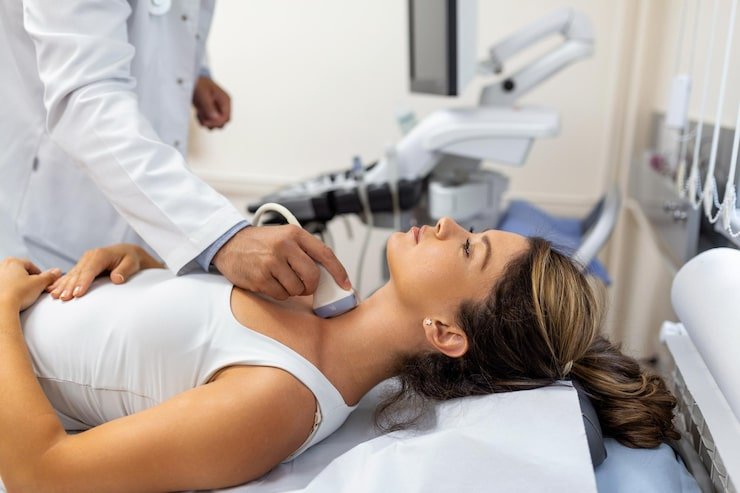

What if you were told you needed thyroid cancer surgery would you know where to find the right surgeon? Each year, over 43,000 Americans face this diagnosis, and the choice of surgeon can shape the outcome. I remember helping a close friend through her search; the endless lists and hospital names felt overwhelming. What she truly wanted was confidence knowing she was choosing from the best thyroid cancer surgeons in US.
In this guide, we’ll highlight top experts, what makes them stand out, and how you can find the right match for your care.
Why Finding the Right Surgeon Matters Immensely
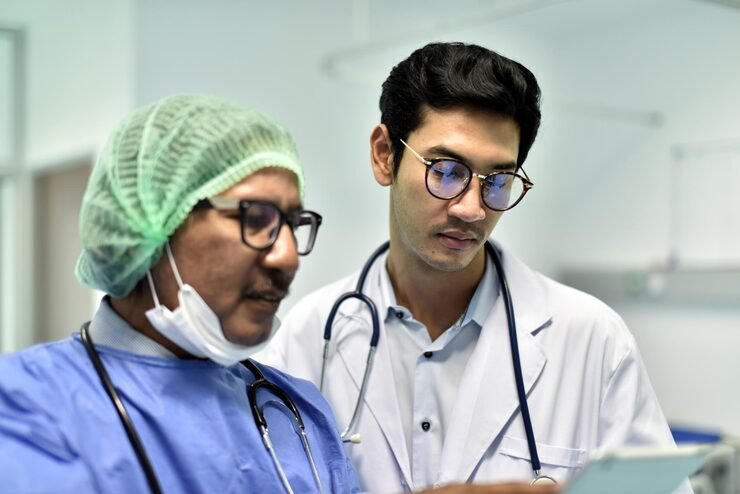
Hearing you have thyroid cancer can feel like the world stops. It’s scary and confusing. One of the first choices you’ll face is finding a surgeon. This step matters a lot.
The thyroid sits in a tight space near the voice box and parathyroid glands. These small glands control calcium in the body. Surgery here must be exact. A slip could affect your voice or health for life. That’s why the right surgeon makes a big difference.
Navigating the Landscape of Thyroid Cancer Treatment :
Thyroid cancer treatment is not the same for everyone. The type of cancer shapes the care plan. For many, surgery is the first step. Others may need medicine or radiation after surgery.
There are many hospitals and surgeons to choose from. Some are local. Some are at big cancer centers. The challenge is knowing how to spot the best. With clear steps, the search becomes easier.
Defining Excellence: What Makes a Best Thyroid Cancer Surgeon?
Volume and Specialization: The Power of Experience in Thyroid Surgery :
Experience counts. Surgeons who perform more thyroid surgeries have fewer problems. Experts suggest choosing a surgeon who does over 100 thyroid operations a year. These doctors know the gland well and can handle surprises during surgery.
Unwavering Expertise in Advanced Surgical Techniques :
The best surgeons use modern methods. Some use small cuts that heal fast. Others use robot tools that lower scarring. These options help patients recover quicker and feel better after surgery.
The Multidisciplinary Advantage: Collaborative Patient Care :
Great surgeons don’t work alone. They are part of a team. This team often includes hormone doctors, cancer doctors, and imaging experts. Working together means your care is full and safe.
Dedication to Research and Cutting-Edge Practices :
Many top surgeons also study thyroid cancer. They test new treatments and lead research. This gives their patients access to the latest tools and ideas in care.
Patient-Centered Approach: Communication and Compassion
Skill is key, but so is kindness. The best surgeons explain clearly, listen well, and respect your worries. Good care means you feel heard, not rushed.
The Patient’s Journey: When and How a Top Surgeon Comes into Play

Initial Diagnosis: From Thyroid Nodules to Confirmation of Thyroid Cancer :
Most cases start with a lump, called a nodule. Doctors test the lump with a fine needle. If cancer is found, surgery is often needed. This is when the surgeon steps in.
Different types of thyroid cancer require different surgical approaches. According to the National Cancer Institute’s PDQ® Thyroid Cancer Treatment Guide, your surgeon will determine the extent of the operation based on the specific cell type and stage:
- Papillary and Follicular: Often treated with a lobectomy (partial removal) or total thyroidectomy.
- Medullary: Usually requires a total thyroidectomy and often an evaluation of the lymph nodes in the neck.
- Anaplastic: A more aggressive form that may require a combination of surgery and other therapies.
Understanding these implications is the first step in discussing a personalized surgical plan with your specialist.
Comprehensive Surgical Management: Beyond the Thyroid Gland:
Cancer can spread to nearby lymph nodes. A skilled surgeon knows when to remove them. This lowers the chance of cancer returning.
Post-Operative Considerations: Ensuring Long-Term Well-being :
After surgery, most people take thyroid hormone pills. These replace what the thyroid made before. Doctors also check calcium, voice health, and cancer signs. Good surgeons plan for this care early.
Finding Your Elite Surgeon: A Strategic Guide for Patients
Leveraging Professional Organizations and Expert Referrals : Trusted groups can help. The American Thyroid Association and the American Head and Neck Society list experts. These are good places to start your search.
Essential Questions to Ask Prospective Surgeons : Ask simple but key questions:
- How many thyroid surgeries do you do each year?
- What are your complication rates?
- Do you use advanced methods like small cuts or robots?
- Do you work with a full care team?
Evaluating Credentials and Affiliations:
Look at the hospital too. Surgeons at top hospitals often have the best tools and support. Big cancer centers are usually a safe bet.
The Importance of a Specialized Head and Neck Center or Thyroid Institute :
Some hospitals have centers just for thyroid or head and neck cancers. Choosing one of these can mean better, focused care.
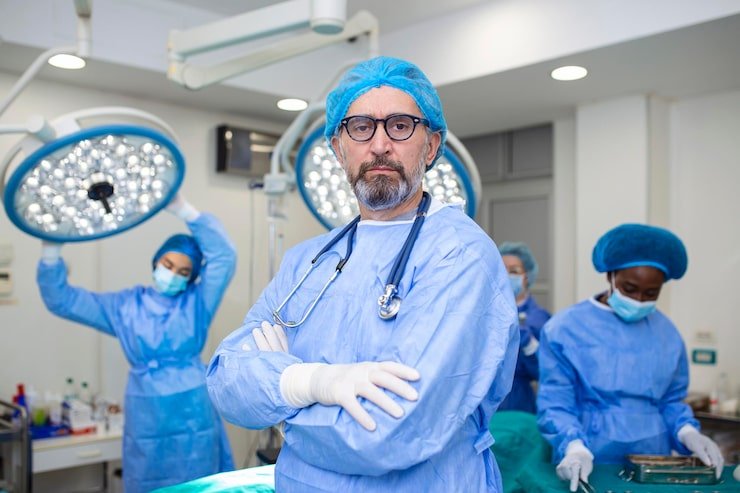
Top 5 Best Thyroid Cancer Surgeons in US
1. Dr. Ashok Shaha – Memorial Sloan Kettering Cancer Center
Dr. Shaha is one of the most respected names in head and neck surgery. At MSK, he focuses on thyroid and parathyroid surgery, balancing safe tumor removal with organ preservation. His research, teaching, and leadership in the American Thyroid Association have shaped modern guidelines for surgical management of thyroid cancer. Patients value his deep knowledge and clear communication style.
2. Dr. Ralph P. Tufano – Johns Hopkins Medicine / Sarasota Memorial Health
Dr. Tufano is known for innovation in endocrine surgery, particularly scarless thyroid surgery techniques like transoral thyroidectomy. With decades of experience, he specializes in thyroid nodules, papillary thyroid cancer, medullary thyroid carcinoma, and complex lymph node dissections. He also develops new protocols using molecular markers to personalize treatment, making him a leading figure in modern thyroid cancer care.
3. Dr. Kepal Patel – NYU Langone Health
As Chief of the Division of Endocrine Surgery, Dr. Patel combines high-volume surgical expertise with a multidisciplinary approach. He is a lead author of important national guidelines for thyroid disease surgery. His team at NYU offers a one-stop model, where patients get needle biopsies, imaging, surgery, and follow-up in a coordinated way. His work helps patients with thyroid nodules, follicular thyroid cancer, and advanced cases requiring complex surgical strategies.
4. Dr. David Terris – Augusta University Health
Dr. Terris is a pioneer in minimally invasive thyroid surgery. At the Augusta Thyroid & Parathyroid Center, his practice is devoted solely to thyroid and parathyroid operations, giving him unmatched focus. He’s also a leader in robotic thyroid surgery and advanced techniques to improve outcomes while minimizing visible scarring. His dedication to parathyroid disease and thyroid cancer surgery makes him a trusted choice for patients across the U.S.
5. Dr. Gary Clayman – Clayman Thyroid Center, Tampa
Dr. Clayman is recognized as one of the most experienced thyroid cancer surgeons in the U.S. He has performed thousands of thyroid and parathyroid surgeries and founded the Clayman Thyroid Center, one of the only dedicated thyroid institutes in the country. Patients often travel nationwide to seek his expertise in papillary, follicular, medullary, and rare thyroid cancers. His center is also known for offering comprehensive, specialized care in head and neck endocrine surgery.
Conclusion
Facing thyroid cancer is never easy it can feel like stepping into the unknown. But the truth is, with the right surgeon and care team, your path forward can be clear and full of hope. What truly matters is choosing a specialist who not only understands the science of thyroid surgery but also treats you with compassion and respect.
Finding the best thyroid cancer surgeon in the US isn’t just about credentials or hospital names it’s about trust, precision, and personalized care. A skilled surgeon can help protect your voice, your health, and your peace of mind. Take your time, ask questions, and seek second opinions if you need to.
Remember, thyroid cancer has one of the highest survival rates among cancers. With modern surgical techniques, early diagnosis, and ongoing care, most patients go on to live healthy, fulfilling lives. You’re not defined by your diagnosis you’re guided by the strength of your choices.
So, take that next step confidently. The right surgeon is not just someone who operates they’re someone who helps you heal, inside and out.
FAQs About the Best Thyroid Cancer Surgeons in the US
1. Who are the top thyroid cancer surgeons in the US?
The top thyroid cancer surgeons in the US include Dr. Ashok Shaha, Dr. Ralph Tufano, Dr. Gary Clayman, Dr. Kepal Patel, and Dr. David Terris. Learn more about their expertise today.
2. How do I choose the best thyroid cancer surgeon for my case?
Choose a surgeon with high thyroid surgery volume, advanced techniques, and strong patient reviews. Ask about their experience, care team, and post-surgery follow-up.
3. Why does experience matter when selecting a thyroid cancer surgeon?
Experienced thyroid surgeons perform hundreds of surgeries yearly, reducing risks and improving recovery. Their precision ensures better voice and gland protection.
4. What should I ask my thyroid cancer surgeon before surgery?
Ask about the number of surgeries performed, success rates, complications, and recovery time. These answers help you make a confident and informed decision.
5. Are there hospitals or centers that specialize in thyroid cancer surgery?
Yes, centers like Memorial Sloan Kettering, Johns Hopkins, and Clayman Thyroid Center specialize in thyroid and head and neck surgery for optimal results.
IMPORTANT MEDICAL DISCLAIMER: This article is for informational purposes only and does not constitute medical advice, diagnosis, or treatment. Always consult a qualified healthcare professional for health decisions. Reliance on any information provided here is at your own risk.


