
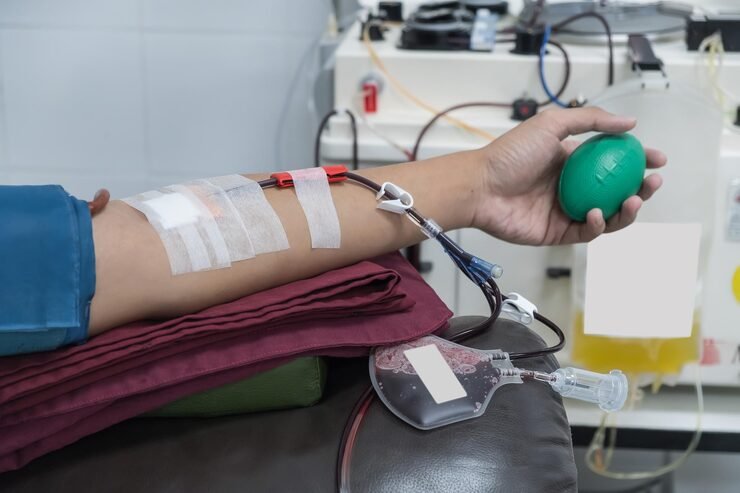

Can you get an iron infusion at the hospital? Many people wonder about this when they feel tired all the time. Iron deficiency is a major health crisis; according to the World Health Organization (WHO), it contributes to anaemia affecting over 1.6 billion people worldwide. Low iron makes your body weak because it cannot make enough healthy red blood cells. You may try iron pills first, but for some, pills do not work or cause side effects. That’s when doctors turn to a hospital-based iron infusion.
The idea of going to the hospital for treatment can feel scary. But here’s the truth: hospitals are one of the safest places for an IV infusion. You are cared for by trained nurses and doctors. They watch your blood pressure, check your comfort, and step in right away if you react to the medicine. This makes the whole process much safer than trying to manage alone.
I know someone who had her first infusion at a hospital. She was nervous, expecting a long, hard day. Instead, she was given a warm blanket, a comfortable chair, and kind nurses who explained every step. Within a few weeks, her blood tests showed improvement, and she said it felt like getting her energy back.
In this article, you’ll learn what an iron infusion is, why hospitals provide them, what the process looks like, and how to prepare. Let’s get started.
Understanding Iron Infusions: What They Are and Why They’re Prescribed
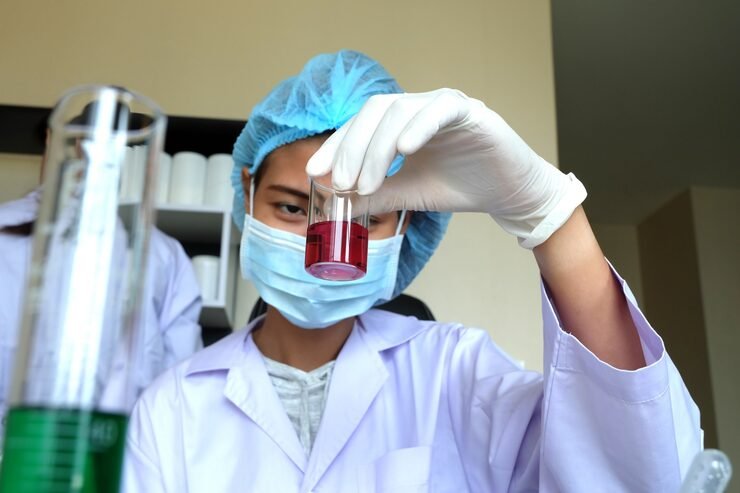
What is an Iron Infusion?
An iron infusion is a type of parenteral iron therapy. Instead of swallowing tablets, you receive IV iron infusions through a vein. A nurse places an intravenous catheter (or sometimes PICC line or Port access for long-term care). The iron, mixed in a saline solution, flows into your bloodstream while you sit in an infusion chair.
This treatment raises your iron stores and hemoglobin levels quickly. Doctors track progress with blood tests, such as serum ferritin, which measures how much iron your body has stored.
Who Needs an Iron Infusion? Key Indications and Diagnoses
Iron infusions are typically prescribed when oral supplements are insufficient or clinical needs are urgent. Key indications include:
Oncology Support: Infusions are often part of a cancer treatment journey to manage fatigue and support red blood cell counts during chemotherapy.
Failure of Oral Therapy: When iron deficiency anemia does not improve with pills or the body cannot absorb them.
Gastrointestinal Disorders: Conditions such as Crohn’s disease, ulcerative colitis, or celiac disease can block iron absorption in the gut.
Pregnancy Support: According to the World Health Organization (WHO), nearly 37% of pregnant women worldwide are affected by anemia, often requiring IV iron to support both maternal health and fetal development.
Rapid Recovery Needs: When fast results are required after heavy blood loss or a blood transfusion.
Chronic Diseases: Managing iron levels in patients with Rheumatoid Arthritis, Multiple Sclerosis, or Kidney Disease.
The Hospital Advantage: Why a Hospital Setting for Your Iron Infusion?
Comprehensive Care and Monitoring
Hospitals are prepared for every step of infusion therapy. Nurses track your vital signs
like blood pressure and heart rate before, during, and after the infusion. If problems occur, such as haemodynamic instability (sudden blood pressure changes) or transfusion reactions, staff can respond right away.
Specialized Infusion Services
Hospitals have hematology infusion centers and outpatient infusion services designed for patients needing frequent treatments. These centers often provide:
- Comfortable reclining lounge chairs
- Self-service kitchenette or refreshments
- Calming spaces like a Serenity Garden or even massage therapy in some facilities
Examples include UH University Hospitals Meds Outpatient Specialty Care Infusion Center, Frisbie Memorial Hospital, Kent Hospital Day Hospital, or Murray Family Infusion Center. These places are set up for safe and efficient care.
Integrated Care for Complex Patient Needs
Some people need more than iron. Hospitals also provide intravenous antibiotics, biological response modifiers, parenteral nutrition, and other IV treatments. Having these services in one place makes care smoother, especially if you see a hematology team or multi-specialty clinic.
Navigating the Hospital Pathway: Getting Your Iron Infusion Appointment
Referral and Consultation
The process starts with your doctor. After lab draws and blood tests confirm low iron or hemoglobin, your doctor refers you to an infusion clinic.
Scheduling Your Infusion
Hospitals often have a locator tool on their website to find the nearest outpatient infusion centers. Appointments can usually be booked quickly at places like UH Portage Infusion Center, UH Richmond Heights Outpatient Campus, or the Division of Rheumatology Infusion Center.
Preparing for the Infusion
Before you go:
- Eat a light meal.
- Stay hydrated (important for IV placement and hydration and electrolyte replacement).
- Wear loose clothes for easy access to your arm.
- Bring entertainment, since treatment may take an hour or more.
The Iron Infusion Procedure at the Hospital: What to Expect
Arrival and Pre-Infusion Checks
When you arrive, staff check your vital signs and may run last-minute lab values to ensure it is safe to start.
The Infusion Process
- A nurse places the IV line.
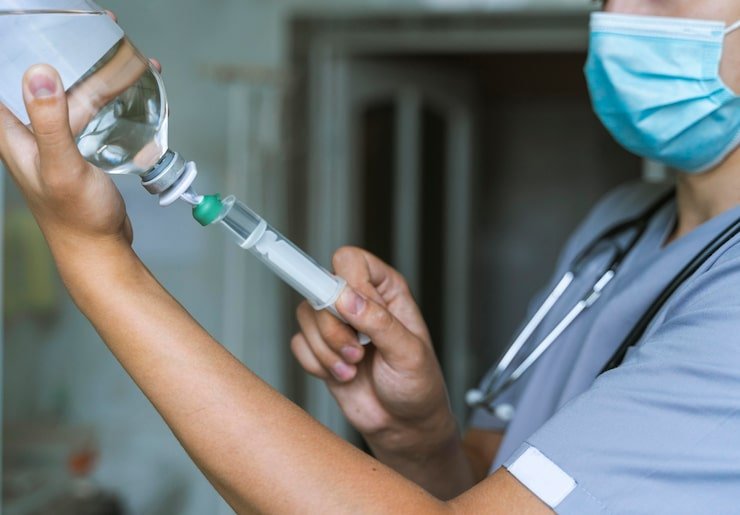
- The iron preparation (such as ferric carboxymaltose injection or iron sucrose) is diluted in saline.
- The IV infusion begins while you sit comfortably in the infusion chair.
Infusions can last 30–90 minutes, depending on the treatment regimen.
Post-Infusion Care
Afterward, you rest while staff continue monitoring. If no reaction happens, you are cleared to go home. A follow-up appointment is often scheduled in a few weeks.
Potential Side Effects and Risks of Hospital-Administered Iron Infusions

Common Side Effects
Some people may notice:
- Mild nausea
- Headache
- Metallic taste
- Temporary drop in blood pressure
- Pain where the IV was placed
Serious but Rare Risks
Though rare, risks include:
- Allergic reaction to the iron preparation
- Severe haemodynamic instability
- Chest pain or shortness of breath
Hospitals are prepared with emergency care, making them the safest place for these treatments.
Cost and Insurance Considerations for Hospital-Based Infusions
Understanding the Costs
Bills may include:
- The iron preparation (drug cost)
- Infusion center fees
- Nursing services
Insurance Coverage
Most insurance providers cover infusions if medically necessary. Still, patients may pay deductibles or co-pays. Hospitals often provide cost reduction options or connect patients to support programs from companies like Daiichi Sankyo, which manufactures iron formulations.
Life After Your Iron Infusion: Follow-Up and Long Term Management
Tracking Progress
Your doctor orders repeat blood tests to check serum ferritin and hemoglobin levels. These show whether your iron stores are improving.
Long-Term Management
Infusions correct iron quickly, but lifestyle also matters. Doctors may suggest:
- Eating an iron-rich diet
- Using iron pills for maintenance
- Managing chronic autoimmune diseases or neurological conditions that cause low iron
Some hospitals even run fast-track anaemia centres where patients get same-day tests, results, and IV iron infusions if needed.
Final Thought: (Can you get an iron infusion at the hospital)
Yes you can get an iron infusion at the hospital, and for many people, it’s the safest option. Hospitals provide trained staff, monitoring, and quick care if side effects appear. If you’re struggling with low iron and pills aren’t working, talk to your doctor about whether a hospital infusion is right for you. It’s a simple step that can make a big difference in your energy and health.
FAQs
1. Can a hospital give you an iron infusion?
Yes, hospitals often give iron infusions for low iron or anemia. It’s a safe way to restore iron levels. Learn more about hospital treatments.
2. Can iron infusion cause diarrhea?
Yes, iron infusions can sometimes cause mild side effects like diarrhea or nausea. Most symptoms pass quickly. Learn more about common reactions.
3. Is iron infusion safe in pregnancy?
Iron infusions are usually safe in pregnancy when oral iron doesn’t work. Doctors use them to treat anemia. Learn more about safety in pregnancy.
4. How long do you stay in hospital after an iron infusion?
Most people stay for 30–60 minutes of observation after an iron infusion. This ensures safety before leaving. Learn more about recovery times.
5. Do they hospitalize you for low iron?
Not always. Mild low iron is treated with tablets, but severe anemia may need hospital care and iron infusions. Learn more about treatment options.
IMPORTANT MEDICAL DISCLAIMER: This article is for informational purposes only and does not constitute medical advice, diagnosis, or treatment. Always consult a qualified healthcare professional for health decisions. Reliance on any information provided here is at your own risk.


