
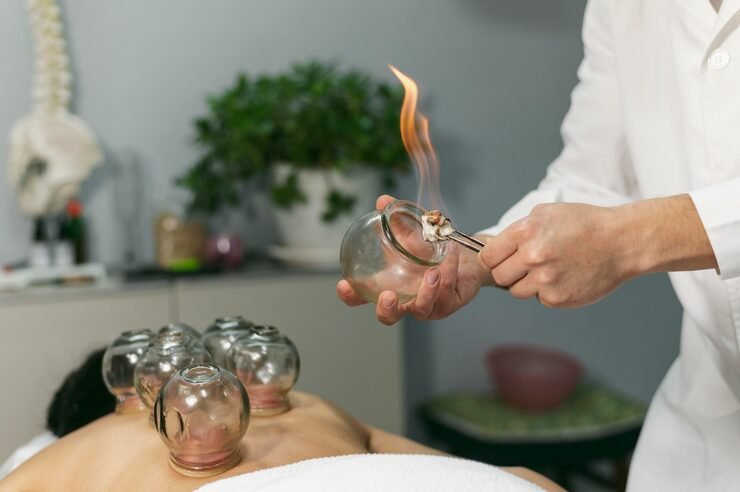

Ever asked yourself what is cupping therapy and why people with sore backs or tired muscles keep talking about it? Picture this: small glass cups or plastic cups placed on your skin, gently pulling it upward, like a hug for your muscles. That’s the idea behind this old yet surprisingly modern pain relief therapy.
Cupping comes from traditional healing practices in places like China, Egypt, and the Middle East. In fact, the Ebers Papyrus from ancient Egyptian medicine mentioned forms of cupping thousands of years ago. Today, you’ll spot those round marks on Olympic swimmers like Michael Phelps, spa-goers, and even people recovering from injuries in sports medicine clinics.
It’s proof that a very old form of alternative medicine is still alive, evolving, and helping in new ways. Some call it suction therapy or myofascial decompression, but at its core, it’s about boosting circulation, easing muscle tension, and supporting natural healing.
In this guide, I’ll walk you through its history, how it works, and what you should know before giving it a try. Ready to dive in? Let’s begin.
A Quick Look at the History of Cupping
Cupping isn’t a new wellness trend it’s one of the oldest forms of suction therapy known to humankind.Cupping has roots that stretch across cultures and centuries. In ancient Chinese medicine, practitioners used it to move stagnant energy (qi) and improve balance. Egyptian medicine described it as early as 1500 B.C. in the Ebers Papyrus. And in Middle Eastern cultures, wet cupping (Hijama) became an important form of blood detoxification and healing.
Over time, it spread to Europe and beyond. By the 19th century, cupping was common among doctors who used it to treat respiratory illnesses and musculoskeletal conditions. Today, it has found its way into sports medicine, physical therapy, and even integrative health centers like Cedars-Sinai Integrative Health and Henry Ford Health.
Why the comeback? Research, including systematic reviews from sources like Harvard Health Publishing and the National Center for Complementary and Integrative Health, suggests cupping may help with neck and back pain, migraine headaches, and knee osteoarthritis. That’s why you’ll see it used not only in spas but also in clinical pain relief therapy programs.If You Want to Learn More then you can visit Our This Link.
How Cupping Treatment Works
So, what actually happens during a cupping treatment?
- The therapist places a suction cup often made of glass, plastic, or silicone on the skin.
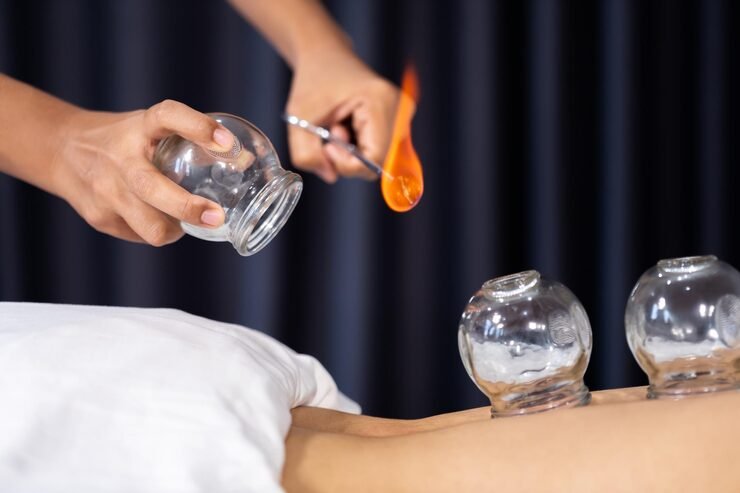
- Air is removed, either with fire (fire cupping) or a pump (vacuum cupping sets).
- This creates a vacuum force, pulling the skin slightly upward.
Underneath, something powerful happens. The suction increases blood flow, stretching the tiny blood vessels (capillaries) just under the skin. This brings fresh oxygen and nutrients to the area, while helping remove waste products. Think of it as unclogging a traffic jam in your circulation.
The pull also affects the fascia the connective tissue around muscles helping reduce stiffness and muscle tightness. Some scientists believe cupping may trigger the release of endogenous opioids, your body’s natural painkillers.
A treatment session usually lasts 10–20 minutes. When the cups come off, they often leave round marks. These are not bruises in the traditional sense but signs of increased circulation. Most fade within a week.
Types of Cupping Therapy
There isn’t just one way to do cupping. Over time, different styles have developed, each with its own purpose.
Dry Cupping – Suction Only
This is the most common method. Cups are placed and left in position. It’s simple, safe, and great for relaxation or easing musculoskeletal pain.
Wet Cupping – With Small Skin Incisions
Known as Hijama, this involves making tiny cuts before applying cups. A small amount of blood is drawn out, believed to remove stagnation. While rooted in traditional healing, it must always be performed by a trained professional due to the risk of bloodborne infections.
Fire Cupping – The Traditional Flame Method
Here, a flame quickly burns oxygen inside a cup before it’s placed on the skin. As the air cools, a vacuum forms. This classic method is still popular in Chinese medical practitioners’ offices.
Moving (Sliding) Cupping – With Oil Massage
Also called sliding cupping, this method uses oil on the skin. The cups are then moved gently, almost like a deep tissue massage combined with suction therapy. It’s ideal for large muscle groups like the back and thighs.
Benefits of Cupping Therapy
Why do so many people turn to cupping? Because it offers benefits that touch both body and mind.Are Want To Know More benefits You Viste.
Pain Relief Therapy – easing sore muscles and stiff joints
Imagine the ache you feel after sitting too long at your desk or finishing a tough workout. That deep, nagging tension in your back or shoulders can feel endless. Cupping treatment steps in here as a gentle yet powerful pain relief therapy. By creating suction on the skin, it helps loosen tight muscles and calm down stubborn knots. Many athletes use it after training to bounce back faster. But it’s not just for sports stars you and I can benefit, too.
Think of cupping as a reset button for sore spots. When blood rushes to the treated area, your body gets fresh oxygen and nutrients right where they’re needed. This helps ease stiffness, soothe achy joints, and even make simple movements like bending down or reaching overhead feel easier again. It’s like giving your muscles a fresh breath of air after being stuck under pressure.
Relaxation and Stress Reduction – calming effects
Have you ever felt like stress is weighing on your shoulders, almost like carrying a backpack full of bricks? Cupping can help lighten that load. The suction acts like a gentle pull that signals your nervous system to relax. Many people describe it as a mix between massage and meditation, only deeper.
During a cupping session, it’s common to feel a wave of calm as tension melts away. For those constantly rushing through life, this break is priceless. Stress doesn’t just live in your mind it hides in your muscles, too. Cupping works on both levels, creating a sense of relief that lasts beyond the treatment table.
Better Circulation – blood flow and detox support
One of the most fascinating parts of cupping therapy is how it boosts circulation. Picture it like unclogging a traffic jam in your body. When blood gets stuck or moves slowly, pain and stiffness build up. But when cups create suction, they open up new routes, letting blood flow freely again.
Better circulation doesn’t just mean warmer hands or feet. It means faster recovery from workouts, less swelling, and even brighter skin in some cases. Your body gets the nutrients it needs, while old waste products get cleared out. In short, cupping acts as a natural detox and suction therapy all at once.
Support for Healing – role in alternative medicine approaches
In many cultures, cupping has been seen as more than just pain relief. It’s part of traditional healing practices that support the body’s natural ability to recover. Unlike medication that often masks symptoms, cupping works with your body, not against it.
People who believe in alternative medicine often use cupping alongside acupuncture, herbal remedies, or yoga. It’s not about choosing one or the other it’s about creating balance. Think of it as giving your body extra tools to heal. Whether you’re recovering from injury, dealing with stress, or just trying to stay well, cupping can be a supportive friend in your health journey.
Possible Side Effects of Cupping
Now, let’s be honest cupping isn’t magic, and it does come with some minor side effects. The most common one is the round mark left on your skin. These spots might look like bruises, but they usually don’t hurt and fade within a week. Some people may also feel mild soreness or skin irritation right after a session.
But here’s the key: not everyone should try cupping. If you have a bleeding disorder, take blood thinners, or have very sensitive skin, it might not be safe. That’s why it’s so important to talk to your doctor first. Cupping may be gentle, but like any alternative medicine, it needs to be matched to the right person.
Cupping Points on the Body
Ever noticed those dark circles on swimmers’ shoulders or runners’ backs? Those are common cupping points. Practitioners usually place cups where muscles hold the most tension like the upper back, shoulders, or lower spine. For athletes, cups might go on the arms or legs, right where strain builds up.
Choosing the right points isn’t random. A skilled practitioner will check your posture, muscle tightness, and pain areas before deciding. Some points are for physical pain, while others are linked to energy flow in traditional healing systems. It’s a mix of science and intuition, which is part of what makes cupping unique.
Who Performs Cupping Therapy?
Not just anyone can do cupping well. In most cases, you’ll find it offered by licensed acupuncturists, chiropractors, or physical therapists. Some massage therapists also train in it. The main thing is that your provider understands both safety and technique.
A good practitioner will explain the process, answer your questions, and make sure you’re comfortable the whole time. This isn’t a one-size-fits-all treatment it should be adjusted to your needs. Always look for someone trained and certified, because your health deserves expert care.
What to Ask Before Starting Cupping Treatment
Before you book your first session, it helps to ask a few questions. Start with: Is cupping safe for me?Your provider should know your health history and check for risks. Next, ask about how many sessions you might need. Some people feel better after one, while others need several.
It’s also smart to ask if cupping can be combined with other therapies. Many people use it alongside massage, stretching, or even acupuncture. If you’re curious about trying it as part of your pain relief therapy, don’t be shy ask how it fits into your bigger health plan.
Cupping Therapy vs. Other Alternative Medicine Practices
So how does cupping compare to things like massage or acupuncture? Massage pushes into your muscles, while cupping gently pulls them upward. Acupuncture uses tiny needles to balance energy, while cupping uses suction to improve flow. Yoga stretches your body, but cupping works passively while you rest.
Each approach has its strengths. For many people, the best results come from combining them. Imagine a wellness toolkit cupping is just one of the tools, but it can work wonders when paired with others. That’s the beauty of alternative medicine: it offers more than one path to healing.
Key Takeaways
So, what is cupping therapy in simple words? It’s an age-old suction therapy that helps with pain, stress, and healing. It’s safe for most people, though not everyone should try it. The round marks are temporary, but the relief can feel long-lasting.
The real secret? Cupping works best when done by the right hands and paired with your overall health plan. Think of it as a bridge between traditional healing and modern self-care. If you’re curious, give it a try with a trusted practitioner you might be surprised by how much lighter and freer your body feels.
Cupping Therapy FAQs
Q: How long do cupping marks last on the body?
A: The round marks from cupping therapy usually last 3 to 7 days. They fade as your blood flow returns to normal and are not harmful.
Q: Can cupping therapy help with chronic pain?
A: Yes. Cupping treatment may ease chronic back, neck, or joint pain. It works as an alternative medicine approach to reduce stiffness and tension.
Q: Is cupping therapy safe for everyone?
A: Cupping is safe for most healthy people. It is not advised for those with bleeding issues, thin skin, or people taking blood thinners
Q: Who should perform a cupping treatment?
A: Cupping should be done by a trained provider, such as a licensed acupuncturist, chiropractor, or physical therapist, for safety and best results.
Q: Does cupping treatment hurt?
A: Cupping does not usually hurt. Most people feel a gentle pull or tightness on the skin, often followed by relief in sore or tense muscles.


